
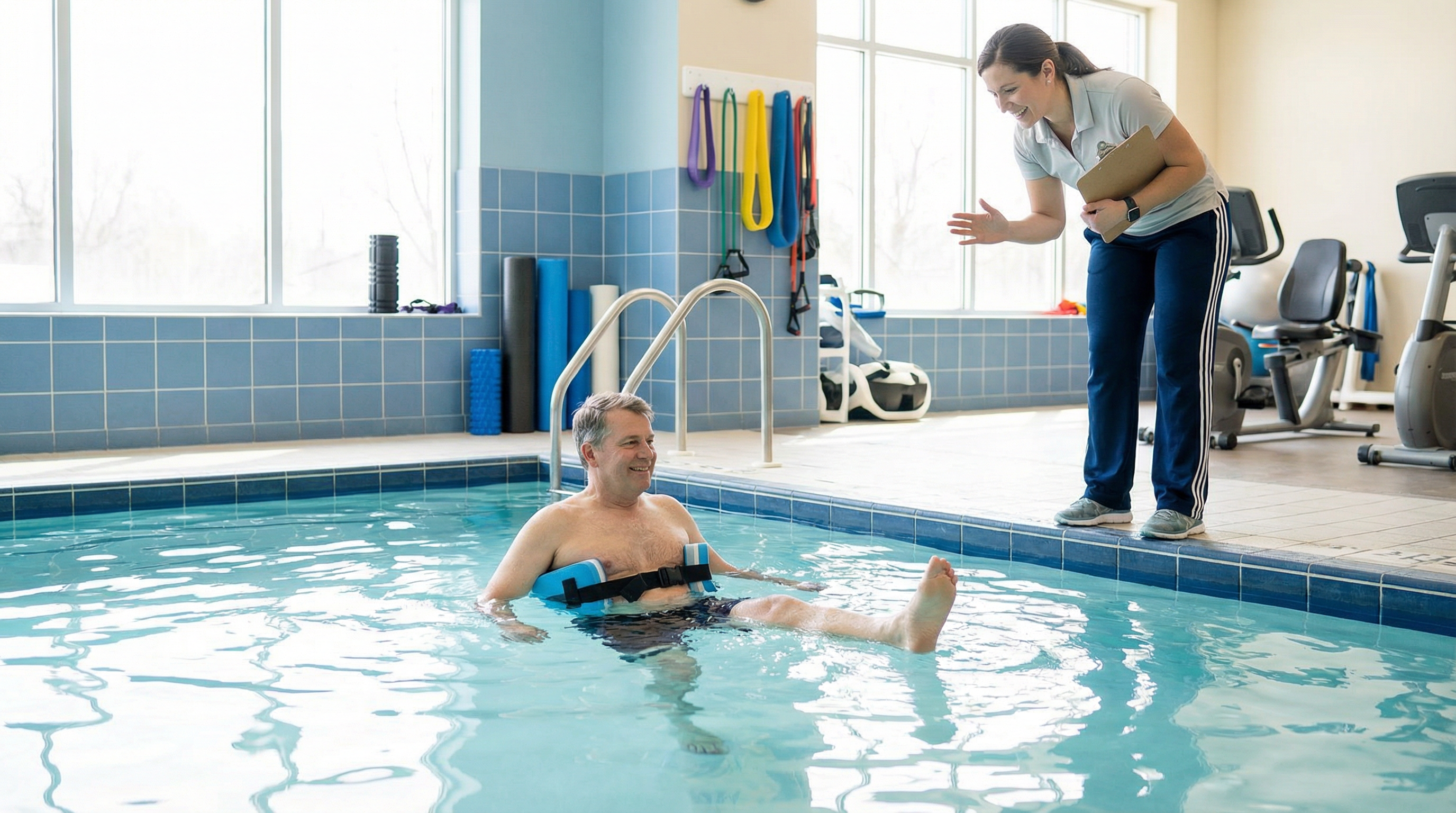
For individuals living with neurological conditions such as stroke, Parkinson’s disease, or multiple sclerosis, the path to recovery can often feel like an uphill battle. Traditional land-based therapies, while beneficial, can sometimes be limited by the very symptoms they aim to treat—muscle weakness, balance issues, and pain. But what if there was a way to move, strengthen, and heal in an environment that supports the body and calms the mind? Welcome to the world of aquatic therapy, a transformative approach to neurological rehabilitation that is making waves and changing lives.
At Onesource Sports Neuro Rehab, we are committed to providing our patients with the most advanced and effective treatments available. We believe in the power of aquatic therapy to unlock new possibilities for movement and recovery. This article will explore the science and success behind this innovative therapy, and how it can help you or your loved one regain strength, improve balance, and enhance overall quality of life.
The Gentle Power of Water: What is Aquatic Therapy?
Aquatic therapy, also known as hydrotherapy, is a specialized form of physical therapy that takes place in a temperature-controlled pool. It’s not just about swimming; it’s a series of carefully designed exercises and movements performed in the water, under the guidance of a trained therapist. The magic of aquatic therapy lies in the unique properties of water:
- Buoyancy: Water’s buoyancy counteracts gravity, reducing body weight by up to 90%. This creates a low-impact environment that supports the body, making it easier and less painful to move. For individuals with muscle weakness or joint pain, this can be a game-changer, allowing them to perform exercises they couldn’t on land.
- Hydrostatic Pressure: The pressure of the water acts like a gentle compression garment, helping to reduce swelling, improve circulation, and enhance body awareness.
- Resistance: Water provides natural resistance to movement, which helps to build strength and endurance without the need for heavy weights.
- Warmth: The warm water of the therapy pool (typically between 86-94°F) helps to relax muscles, reduce stiffness, and alleviate pain.
Conditions That Benefit from Aquatic Therapy
Aquatic therapy can be beneficial for a wide range of neurological conditions. Here’s a closer look at how it can help with some of the most common ones:
Stroke Recovery
After a stroke, many individuals struggle with weakness, spasticity, and impaired balance. The supportive environment of the water allows for early and safe mobilization. The buoyancy of the water helps to support weakened limbs, making it easier to practice walking and other functional movements. The water’s resistance helps to strengthen muscles, while the warmth can help to reduce spasticity.
Parkinson’s Disease
For individuals with Parkinson’s disease, aquatic therapy can be particularly effective in improving balance and reducing the risk of falls. A study from UCLA Health highlights that the buoyancy of water provides a “safety net” that allows patients to try larger and more sustained movements without the fear of falling [1]. The resistance of the water also helps to improve strength and coordination.
Multiple Sclerosis (MS)
Fatigue and balance problems are common and often debilitating symptoms of MS. A 2025 study published in Multiple Sclerosis and Related Disorders found that aquatic therapy significantly improved both fatigue and balance in people with mild MS, outperforming land-based therapy [2]. The cool, supportive environment of the water can also help to prevent overheating, which can exacerbate MS symptoms.
Traumatic Brain Injury (TBI)
Following a TBI, individuals may experience a wide range of physical and cognitive challenges. Aquatic therapy can provide a safe and stimulating environment for rehabilitation. The sensory input of the water can help to improve body awareness and coordination, while the resistance can help to rebuild strength and endurance.
What to Expect in an Aquatic Therapy Session
Your aquatic therapy session will be tailored to your specific needs and goals. A typical session may include:
- Warm-up: Gentle movements to prepare your body for exercise.
- Gait training: Practicing walking in the water to improve your balance and coordination.
- Strengthening exercises: Using the water’s resistance and specialized equipment to build muscle strength.
- Stretching: Using the buoyancy of the water to improve flexibility and range of motion.
- Balance exercises: Challenging your balance in a safe and supportive environment.
Why Choose Onesource Sports Neuro Rehab?
At Onesource Sports Neuro Rehab, our team of experienced therapists is dedicated to helping you achieve your rehabilitation goals. We offer a state-of-the-art aquatic therapy program in a supportive and encouraging environment. We understand the unique challenges of living with a neurological condition, and we are here to help you every step of the way.
Take the Plunge and Discover the Possibilities
If you or a loved one is living with a neurological condition, aquatic therapy may be the key to unlocking a new level of recovery and independence. It’s more than just exercise; it’s a pathway to renewed hope and a better quality of life. Contact Onesource Sports Neuro Rehab today to learn more about our aquatic therapy program and to schedule a consultation.
References
[1] UCLA Health. (2023, September 4). Water exercises good for people with Parkinson’s disease. Retrieved from https://www.uclahealth.org/news/article/water-exercises-good-people-with-parkinsons-disease
[2] Tsatsakos, G., et al. (2025). The effect of aquatic therapy on fatigue and balance in people with multiple sclerosis: An assessor-blind randomized controlled trial. Multiple Sclerosis and Related Disorders, 104, 106836. https://doi.org/10.1016/j.msard.2025.106836