
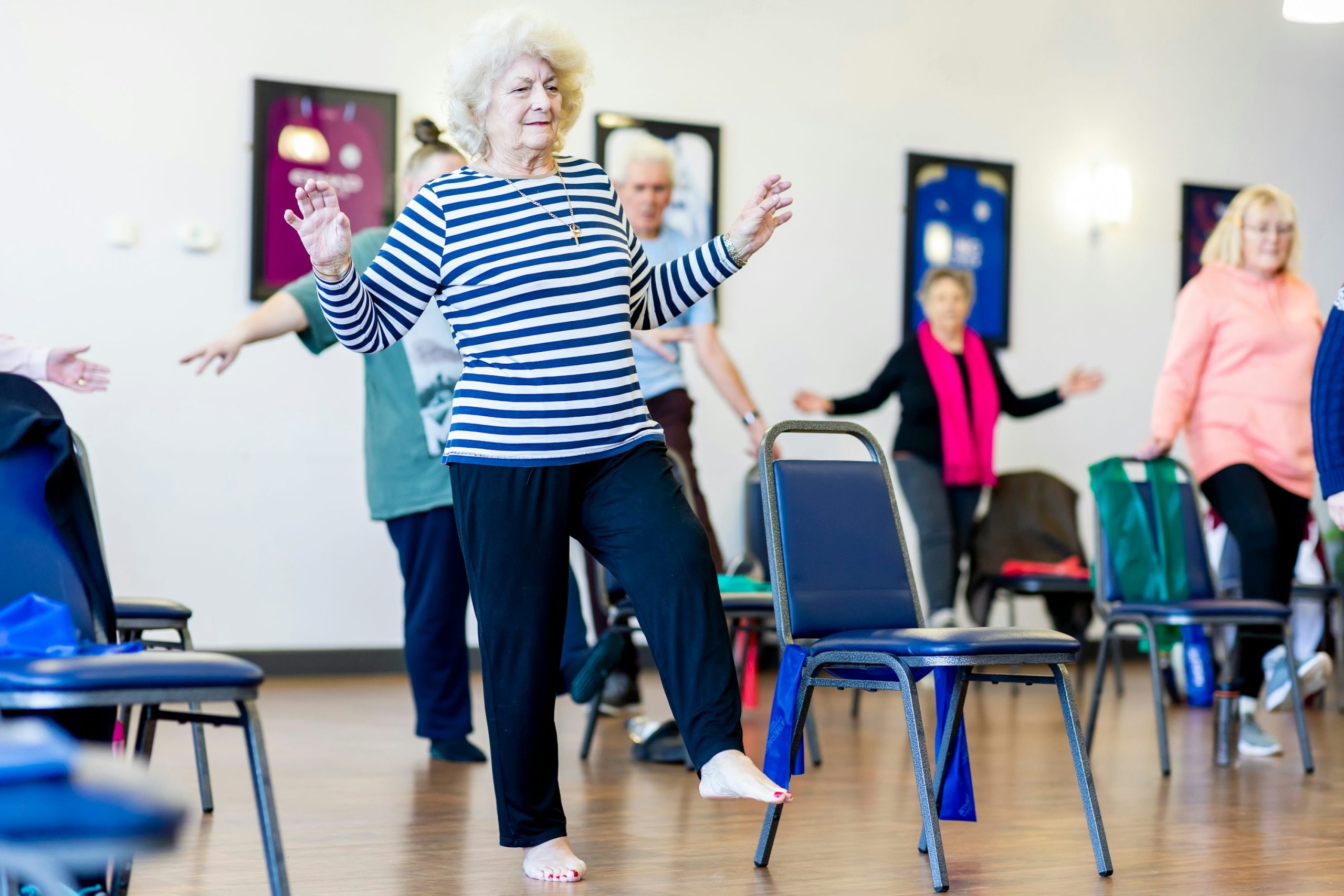
Osteoporosis physical therapy in Newnan, GA can help people address the movement, strength, balance, and confidence challenges that often accompany low bone density. Osteoporosis weakens bone and increases susceptibility to fragility fractures, yet a diagnosis does not mean stepping away from meaningful activity. With an individualized plan, physical therapy can help patients move more safely, improve function, and reduce modifiable contributors to falls while working alongside their medical care. At Onesource Sports Neuro Rehab, our approach combines careful screening, safe exercise progression, posture education, and practical strategies for everyday life.
Whether you live in Newnan, Lawrenceville, Snellville, Tucker, Loganville, or Atlanta, the first priority is choosing a plan that reflects your medical history, bone-density results, fracture history, medications, current fitness, and personal goals. Exercise is not a substitute for osteoporosis diagnosis, prescribed medication, adequate nutrition, or follow-up with your physician. It is, however, an important part of a broader plan for preserving independence.
How Physical Therapy Supports Osteoporosis Management
Osteoporosis is characterized by reduced bone mass and deterioration of bone microarchitecture, which can make bones more vulnerable to fracture.1 A physical therapist evaluates how a person moves, transfers, walks, reaches, and responds to balance challenges. That assessment identifies practical issues that can often be addressed: lower-extremity weakness, unsteady gait, limited hip or ankle mobility, poor posture, fear of falling, or unsafe movement patterns during housework and other daily tasks.
At Onesource, osteoporosis management emphasizes safe weight-bearing and resistance exercise, education, posture training, balance work, and movement mechanics. In practice, a plan may use bodyweight movements, resistance bands, carefully selected weights, walking or other weight-bearing activity, and progressively challenging balance activities. The right starting point is highly individual. A patient with a recent fracture, multiple vertebral fractures, substantial fall risk, pain, or a new diagnosis needs a more cautious plan than someone already active with stable bone health.
What the Evidence Says About Exercise and Function
The most useful benefit of exercise therapy is not a guarantee that bone density will change quickly. Rather, it can improve the physical qualities that help people function and recover from a loss of balance. A 2024 systematic review and meta-analysis of 19 controlled trials involving 1,249 postmenopausal women found that adding exercise to medication or supplements improved lower-extremity muscle strength, balance, Timed Up and Go performance, fear of falling, and quality of life. In a subgroup, combined exercise programs also improved lumbar-spine bone mineral density (standardized mean difference 0.37; 95% CI 0.01–0.72), although the authors rated the certainty of evidence as low to very low.1
An evidence-based position statement that reviewed 50 randomized trials similarly concluded that resistance and impact training can improve bone strength, body strength, and balance and may reduce falls in people with osteoporosis or osteopenia.2 That does not make high-impact exercise appropriate for everyone. A therapist can help determine which loading activities are reasonable, how to progress them, and when an alternative is safer. For patients who are not candidates for impact work, the emphasis may shift to strength, balance, posture, gait, and functional movement.
Exercise programs also matter because falls are a major pathway to injury when bones are fragile. A systematic review of interventions for ambulatory, community-dwelling older adults concluded that physical exercise can improve balance, lower-extremity strength, and mobility while reducing falls and fall-related injuries.3 For many patients, the most meaningful outcome is practical: feeling steadier when turning, getting up from a chair, navigating stairs, or carrying groceries.
A Safer, Personalized Exercise Plan
A physical therapist does not hand every patient the same exercise sheet. After assessing movement and fall risk, the therapist selects activities that are challenging enough to build capacity but appropriate for the patient’s health status. A plan is often adjusted over time as strength, balance, symptoms, confidence, and medical guidance change.
| Therapy focus | How it may be used in osteoporosis physical therapy | Everyday goal |
|---|---|---|
| Progressive strength training | Builds capacity in major muscle groups with a controlled dose of resistance and attention to form. | Stand from chairs, climb stairs, and carry light objects with greater confidence. |
| Weight-bearing activity | Uses safe loading through the legs, such as individualized walking or step-based activity when appropriate. | Support regular movement and participation in valued activities. |
| Balance and gait training | Practices safe weight shifts, direction changes, stepping strategies, and walking tasks. | Improve steadiness and address modifiable fall-risk factors. |
| Posture and body mechanics | Teaches neutral-spine awareness and safer ways to reach, lift, and perform household tasks. | Reduce unnecessary strain during daily routines. |
| Home and activity education | Reviews footwear, environmental hazards, pacing, and a realistic home program. | Make the safer choice easier to repeat between visits. |
Movement Safety Matters as Much as Movement Itself
With osteoporosis, the safest exercises are determined by the person—not by a social-media trend or a one-size-fits-all program. Before beginning or changing exercise, patients should discuss osteoporosis care with their physician and share relevant test results, fracture history, and symptoms with their therapist. People at high fracture risk or those with known vertebral fractures may need to avoid or modify loaded spinal flexion, forceful twisting, sudden high-impact activity, or movements that compromise balance.
A therapist can also teach alternatives for real-life situations. For example, hip hinging and squatting strategies may be preferable to repeated bending from the waist when retrieving items. Gradual strengthening may make transfers and stairs safer. Balance training can be performed near stable support and progressed only as control improves. The goal is not fear-based avoidance; it is informed, confident movement.
New severe back pain, sudden height loss, a recent fall, or concern for a new fracture warrants prompt discussion with a medical professional. Physical therapy should be coordinated with the broader care team, especially after a fracture or if other conditions—such as arthritis, Parkinson’s disease, vestibular symptoms, or neuropathy—also affect mobility.
What to Expect at Onesource Sports Neuro Rehab
Your care begins with a conversation about the activities that matter to you, along with a physical evaluation of strength, mobility, posture, walking, and balance. The therapist then develops goals that translate to daily life. For one person, that could mean walking through a store with less worry. For another, it may mean safely returning to a community exercise class, caring for grandchildren, or moving around the home more independently.
The plan may include guided in-clinic exercise and a concise home program that is practical enough to maintain. Education is central: patients should understand not only what to do but also why a particular movement, modification, or progression fits their needs. Onesource can also coordinate physical therapy strategies with existing care for geriatric balance training or other conditions affecting stability. This individualized approach helps patients build a sustainable foundation rather than chase a short-term fix.
Find Osteoporosis Physical Therapy in Newnan, Lawrenceville, and Beyond
Living with osteoporosis can make daily movement feel uncertain, but targeted rehabilitation can help you work toward greater strength, steadiness, and self-assurance. Onesource Sports Neuro Rehab serves patients in Newnan, Lawrenceville, Snellville, Tucker, Loganville, and Atlanta, Georgia, with patient-centered care designed around safe progress and meaningful goals.
If you have osteoporosis, osteopenia, a history of falls, or questions about returning to activity safely, contact Onesource Sports Neuro Rehab to schedule an evaluation. Together, we can create a plan that supports confident movement and active living while respecting your individual medical needs.
References
- Hsu HH, Chiu CY, Chen WC, Yang YR, Wang RY. Effects of exercise on bone density and physical performance in postmenopausal women: A systematic review and meta-analysis. PM&R. 2024;16(12):1358–1383. https://doi.org/10.1002/pmrj.13206
- Bae S, Lee S, Park H, et al. Position Statement: Exercise Guidelines for Osteoporosis Management and Fall Prevention in Osteoporosis Patients. Journal of Bone Metabolism. 2023;30(2):149–165. https://doi.org/10.11005/jbm.2023.30.2.149
- Sadaqa M, et al. Effectiveness of exercise interventions on fall prevention in ambulatory community-dwelling older adults: A systematic review with narrative synthesis. Frontiers in Public Health. 2023;11:1209319. https://doi.org/10.3389/fpubh.2023.1209319